

What are the differences between butterflies and moths?

On this page...
Butterflies, skippers and moths all belong in the insect order Lepidoptera. However, there are some overall rules that can be used to tell a moth from a butterfly or skipper.
Moths, butterflies and skippers are all insects in the order Lepidoptera. Worldwide, there are five families of butterflies and one family of skippers, which share some specialised similarities in body form. All of these families are present in Australia. Moths form a larger group of 125 families worldwide. In Australia, 82 families of moths are represented, with over 95% of species diversity in the order Lepidoptera represented by moths.
However, there are some overall rules that can be used to tell a moth from a butterfly or skipper. Note that there are always exceptions to each 'rule'. Many of the features discussed below are illustrated in the gallery under "related items" on the top right of this page.
Differences between moths and butterflies
Butterflies and skippers are groups of specialised moths which in general are day flying, have clubbed antennae, no frenulum, and are often brightly coloured. But there are many moths which also share these characteristics. This gallery shows a few of the features that are used to help tell the difference between moths and butterflies.


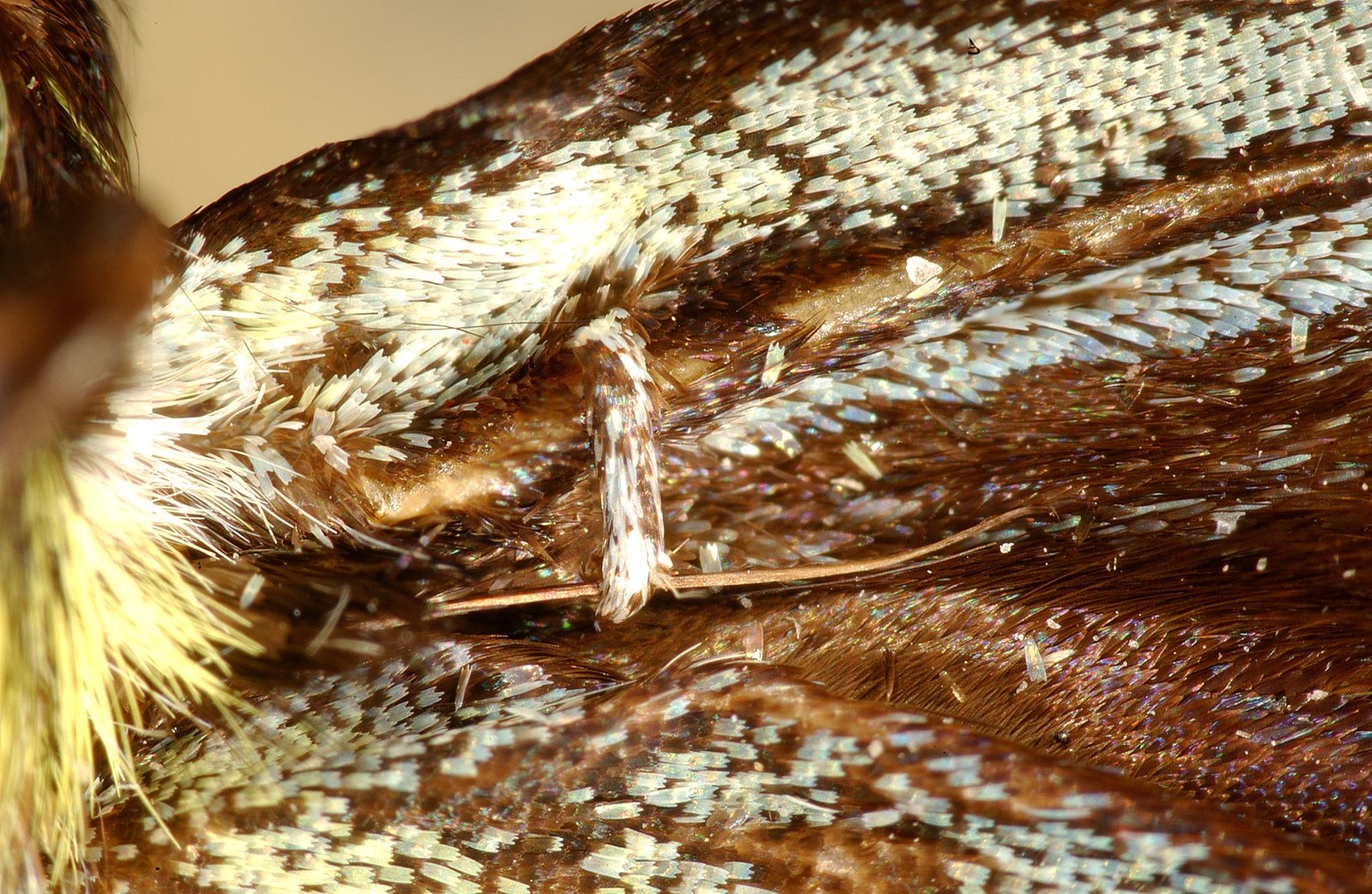

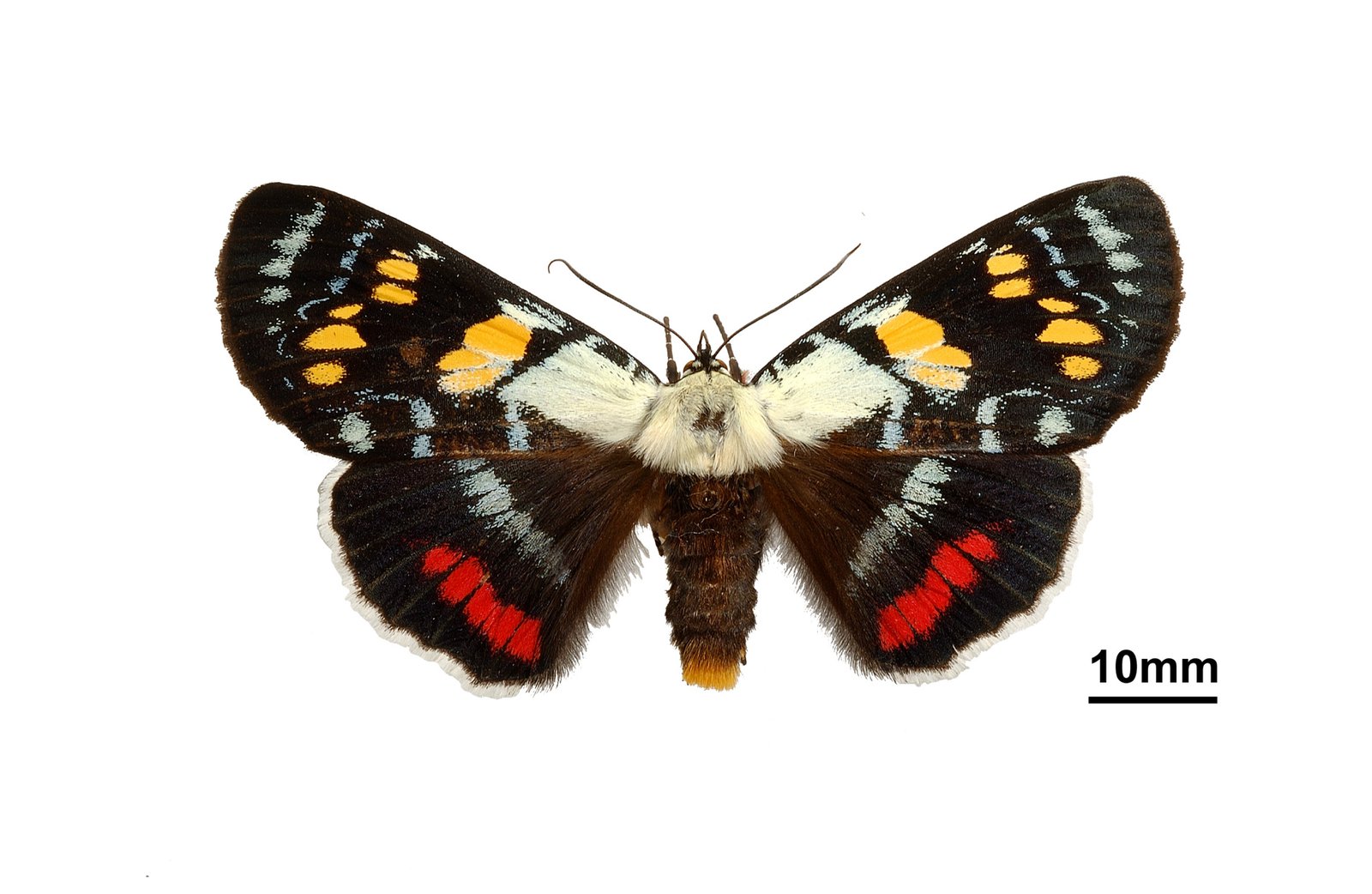
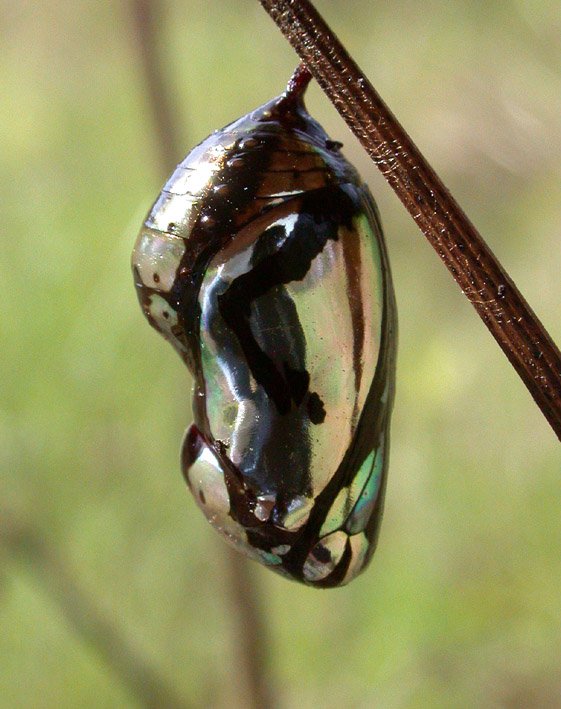
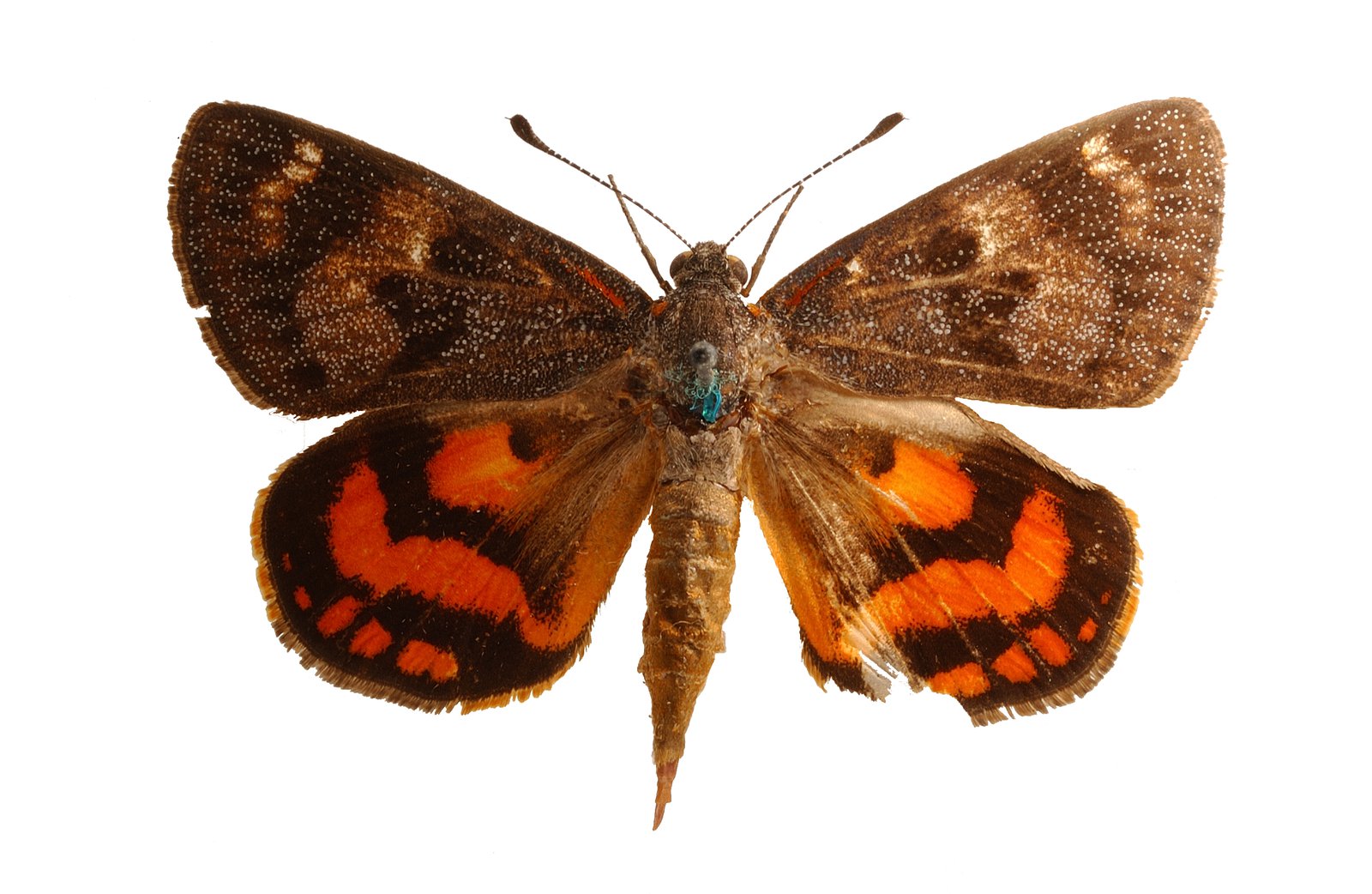
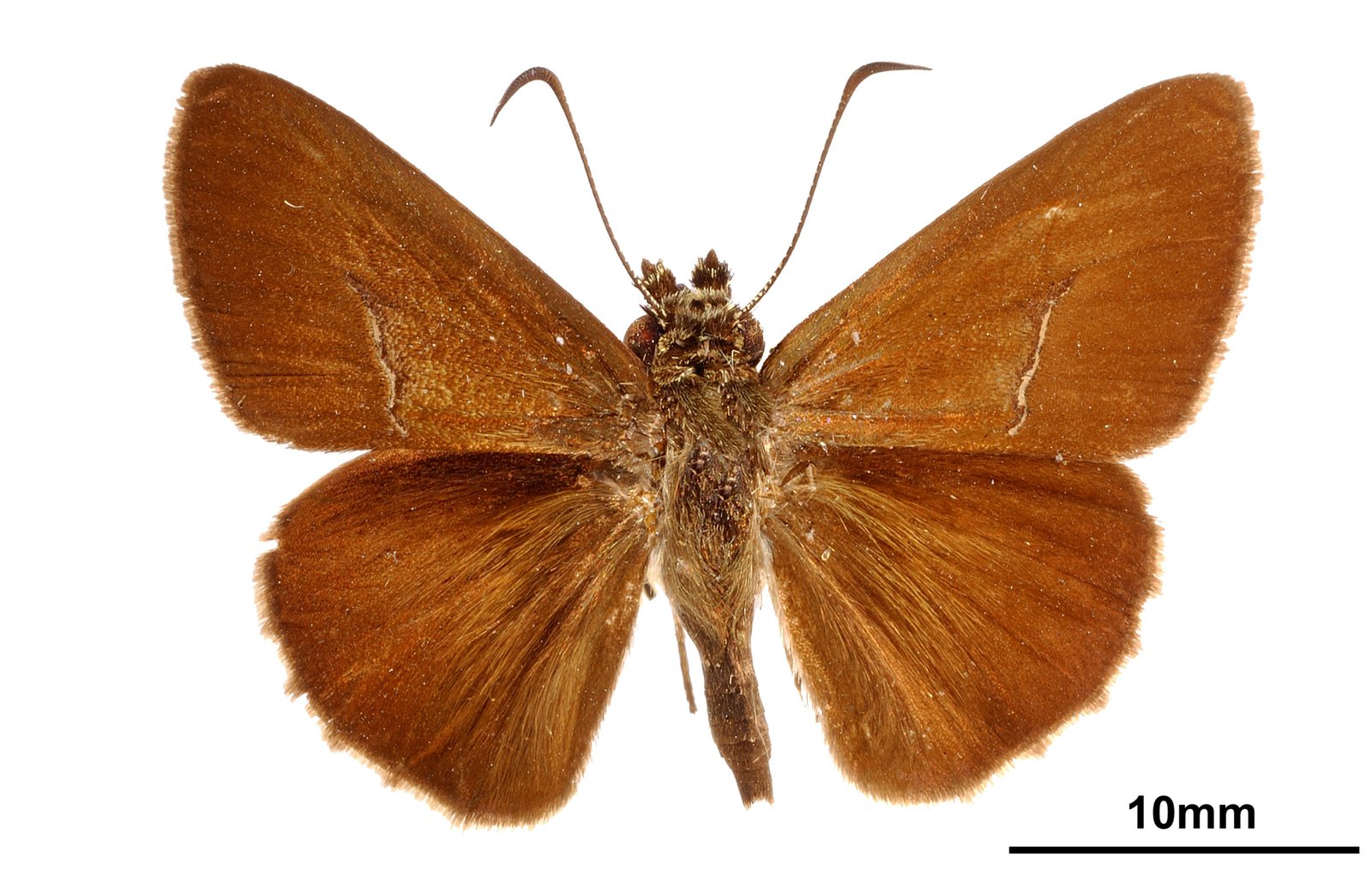

Antennae
- Moths: Have simple thread-like or 'feathery' antenna without a club
- Butterflies and Skippers: Have a thickened club or hook on the tip of the antenna, never 'feathery'
- Exceptions: Several families of moths have antenna with clubs, most notably the Castniidae (Sun Moths)
Colour
- Moths: Duller colours
- Butterflies and Skippers: Brighter colours
- Exceptions: Many moths are brilliantly coloured, especially day-flying ones such as the northern Queensland Day Moth Alcides metaurus (Uraniidae), or the Jacob's Coat Moth Agarista agricola (Noctuidae). Many butterflies and skippers are dark brown with few markings.
Wings
- Moths: Wings are linked together with a bristle-like structure called a frenulum
- Butterflies and Skippers: Wings are not linked – no frenulum
- Exceptions: Australia has the only skipper in the world with a frenulum, the Regent Skipper Euschemon rafflesia (Hesperiidae). Also, many moths do not have a frenulum.
Resting posture
- Moths: Hold wings flat when resting
- Butterflies and Skippers: Hold wings together above body when resting
- Exceptions: Many moths, including geometrid moths hold their wings up in a butterfly-like fashion when resting. Butterflies in the lycaenid subfamily Riodininae, and skippers in the subfamily Pyrginae hold their wings flat when resting.
Forelegs
- Moths: Forelegs fully developed
- Butterflies and Skippers: Forelegs reduced, missing terminal (end) segments
- Exceptions: Only some butterflies have reduced forelegs. Most skippers have normal forelegs.
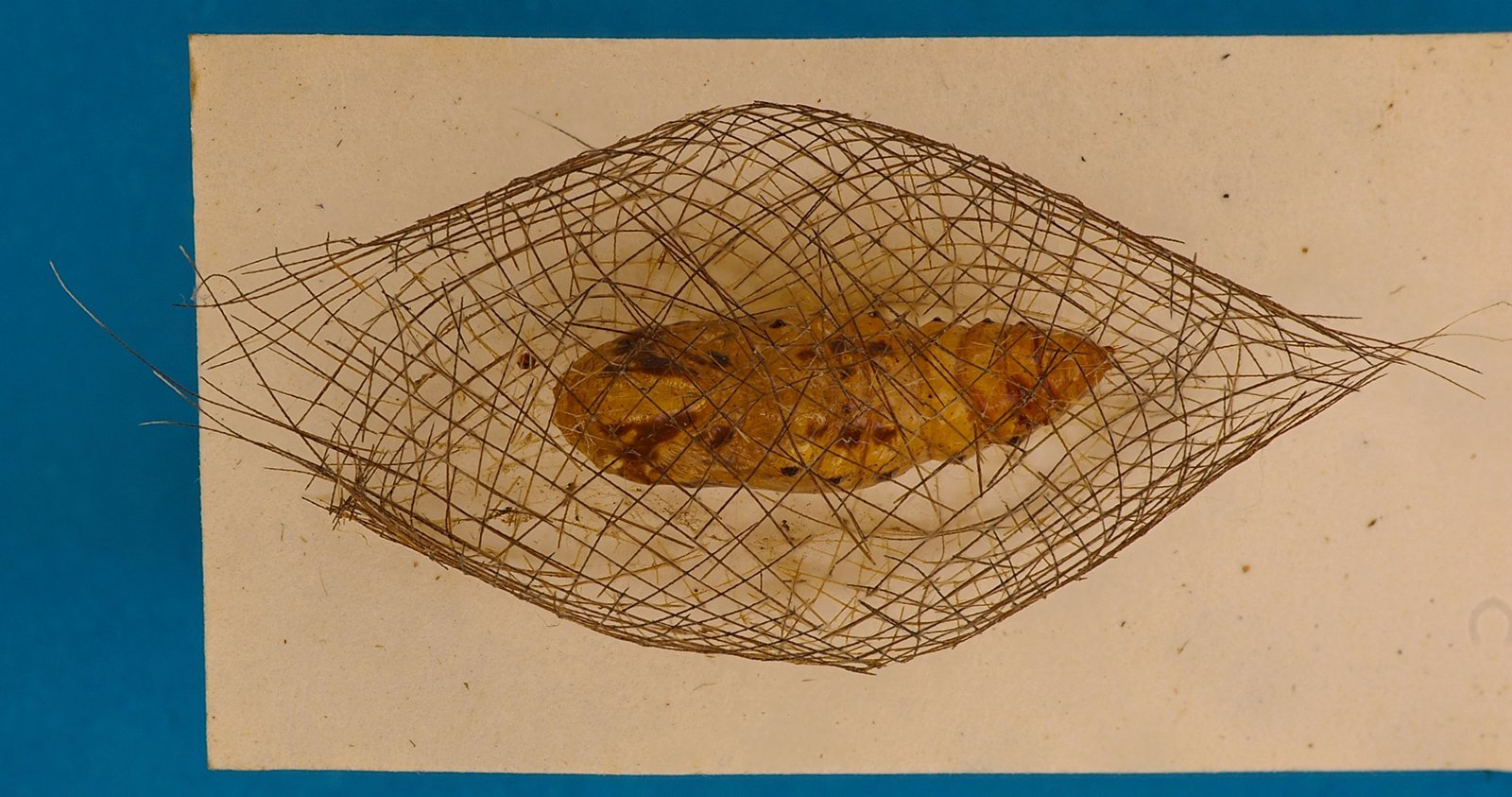
Pupae
- Moths: Pupae spin a cocoon
- Butterflies and Skippers: Pupae (chrysalids) not in cocoon
- Exceptions: Many moths do not spin a cocoon, many butterflies and skippers form a silken shelter, often with plant leaves.
Activity
- Moths: Fly at night
- Butterflies and Skippers: Fly during the day
- Exceptions: A few butterflies and skippers are active at dusk, many moth species are day-flying.
